


Химикаты для очистки воды
Why choose us
One-stop Solution
With our wealth of experience and personalized service, we can help you select products and answer technical questions.
Global Shipping
We cooperate with professional sea, air and logistics companies to provide you with the best transport solution.
Quality Control
Each batch of products has a corresponding quality inspection report to solve your doubts about the quality of the products.
Our Service
Customer service will update you with product logistics information in a timely manner to ensure that the goods are delivered on time.
What is Water Purification Chemicals
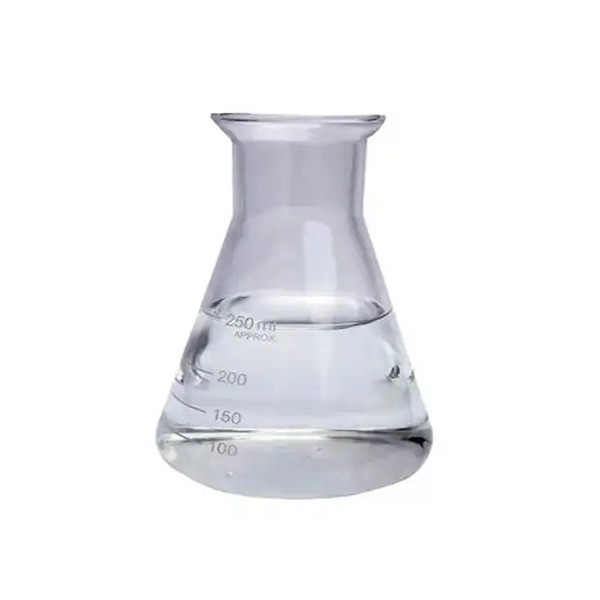
Water purification chemicals, also known as water treatment chemicals, mainly refer to chemicals used in industrial water treatment, including scale inhibitors, corrosion inhibitors, dispersants, sterilizers, and sterilizers used in industrial water treatment such as cooling water, boiler water, sewage, and oil field water. Algae agent, defoaming agent, flocculant, oxygen scavenger, sludge conditioner, chelating agent, etc. Coagulants and flocculants for raw water and wastewater treatment are also included in water treatment chemicals. In addition, activated carbon and ion exchange resins are also important water treatment chemicals.


![3-[2-(этилгексил)оксил]-1,2-пропандиол CAS 70445-33-9 Этилгексилглицерин этилгексилглицерол](/uploads/40492/small/3-2-ethylhexyl-oxyl-1-2-propanediol-cas-704e5b11.jpg?size=363x0)


Benefits of Water Purification Chemicals
Have Safer Drinking Water Anytime
When you filter your water, you are ensured that you have healthy drinking water, compared to the bottled water and tap water that comes straight from the water purification chemicals in your municipality. Unfiltered water, even if it has come from the water treatment plant still have contaminants such as lead. Water treatment plants add chemicals such as fluoride and chlorine to the water as their treatment method. When you have an advanced water purification chemicals, these chemicals, other impurities and most of the 2,100 known toxins in drinking water are removed. Fill safe water bottles with filtered water if you are into going out for sports, a picnic or a day trip.
Protect The Environment
There were 50 billion plastic water bottles bought in the u.s last year. However, only 38% were recycled, with the remainder ending up in landfills. With a water purification chemicals, you will not be adding more rubbish into landfills. On the average, it will take 450 years for plastic bottles to disintegrate.
Minimize Aggravation Of Skin Conditions
Substances such as heavy metals, fluoride and chlorine in the water can aggravate skin conditions. This includes psoriasis and eczema, especially in children.
Cost Savings
If you are currently buying bottled water, you will realize a big savings from installing a water filter at home. If there are four members in your household and each of you drink three 16.9-ounce bottles of water each day, you'll be able to save a minimum of $700 annually. This assumes you buy an average priced 24 pack of water bottles at a cost around $5.00. If you install a reverse osmosis water purification chemicals, it only costs between $300 and $500. A new filter is required annually at an average cost of $50-80.
Household Use
Water purification chemicals can be used for purifying tap water and well water in households. In some areas, in tap water may contain a large amount of chlorine and other chemicals, which can pose a threat to physical health. Apply water purifiers can remove these chemicals and improve the quality of tap water. For well water, clean water agents can remove rust, sediment, and other impurities from water, making it cleaner.
Industrial Use
Water purification chemicals are also widely used in various industrial fields, such as electronics, pharmaceuticals, chemicals, and so on. Stay in these fields, water quality requirements are very high because impurities and pollutants in water can affect products quality has an impact. Water purifiers can remove these impurities and pollutants, making the water meet the requirements.
Medical Use
Water purification chemicals also have important applications in the medical field. In operating rooms and other medical facilities,high quality water is required to clean and disinfect instruments and equipment. Water purifiers can remove water bacteria and other harmful substances in water can improve its quality.
Agricultural Use
In the field of agriculture, water purification chemicals has a significant impact on plant growth and animal health. Water purification agents can remove harmful substances from water, improve water quality, and promote plant growth and animal health.
Types of Water Purification Chemicals
Sodium Hydroxide
Neutralization is the adjustment of the pH levels of water. In wastewater treatment, an acid or a base is added, depending on the pH level of the water being treated. Usually, either sulfuric acid or a base chemical such as sodium hydroxide is added to the water to achieve optimal pH balance.Specific chemicals help to control odor at the treatment facility. In addition to activated carbon, wet scrubbers are used to reduce the stench. It's very common to see sodium hydroxide used.

Sulfuric acid
It can be used in water treatment to kill bacteria. When used in water treatment, it can kill bacteria. In fact, a study published in the Journal of Water Research found that sulfuric acid was capable of killing more than 99 percent of the waterborne bacteria tested. sulfuric acid is the most commonly used acid in the world. It is frequently used to bring the pH level of wastewater back to normal.

Chlorine dioxide
Chlorine dioxide is a gas and its one of the most common chemicals in water treatment chemicals list. It is commonly used to disinfect drinking water. When used in very small quantities to disinfect water, it is safe and does not lead to health risks. But chlorine dioxide is a disinfectant similar to bleach.
![3-[2-(этилгексил)оксил]-1,2-пропандиол CAS 70445-33-9 Этилгексилглицерин этилгексилглицерол](https://www.moschemicalru.com/uploads/40492/3-2-ethylhexyl-oxyl-1-2-propanediol-cas-704e5b11.jpg "productcate-1-1")
Aluminum Sulfate
Aluminium sulfate is used in water purification and for chemical phosphorus removal from wastewater. It causes suspended impurities to coagulate into larger particles and then settle to the bottom of the container (or be filtered out) more easily. This process is called coagulation or flocculation.
How Water Purification Chemicals Work
Coagulation
This is the first step in the Water Purification Chemicals process. A chemical referred to as a coagulant is added to the water. This chemical has a positive charge which neutralizes the dirt's negative charge. When this happens, the dirt and other particles bond with the chemicals, forming slightly bigger particles.
Flocculation
The next step is flocculation. It's the gentle stirring of water to form larger and heavier particles known as flocs. Water treatment plants can add some chemicals in this step to help the flocs form.
Sedimentation
Next, the water and the flocs move to sedimentation tanks. During this process, the water flows slowly, allowing the flocs to sink at the bottom. Whatever collects is called sludge, which is removed for disposal.
Filtration
Filtration is the process of separating any extra solids that weren't removed during sedimentation from the water. During this process, water passes through filters. Filters have tiny pores and are made of different materials like gravel, sand, and charcoal. They remove chemicals, parasites, dust, viruses, bacteria, and other dissolved particles. Water treatment plants also use activated carbon filters to eliminate bad odors.
Disinfection or Chlorination
This is one of the most important water purification steps. Here, the treatment plant adds chemicals like chloramine or chlorine to the water to kill the remaining bacteria, parasites, and viruses. To ensure that only safe water travels to businesses and homes, these treatment plants ensure that the water has very low levels of disinfectant by the time it leaves the treatment plant. Any remaining disinfectant kills the germs in the pipes transporting the water to your tap.
How to Choose Water Purification Chemicals
Acidity Of Water Purification Chemicals
The acidity of water treatment chemicals is even more critical. Acidic agents are often used to clean processing equipment or product surfaces and pipes, so the acidity index is very important. Such reagents should pay attention to their stability and product quality, which will directly affect the cleaning effect and quality.
Water Purification Chemicals For Moisture
According to the basic principles of medicine, the less water, the better, but due to the production process, it is impossible to completely lack water.
Non-volatile Impurities
The amount of impurities directly affects the use of reagents. In industrial circulating water, too many impurities in water purification chemicals can pollute the water quality. For cleaning chemicals, substances invisible to the naked eye are adsorbed on the surface of small products, which may directly affect the quality of the product, so impurities are also important indicators.
Toxicity Of Water Purification Chemicals
Highly toxic poisons can directly pollute the environment and even affect human health. Therefore, non-toxicity and low toxicity are important signs of high-quality drugs.
Precautions for Storage of Water Purification Chemicals
Classification And Labeling Of Pharmaceuticals
To facilitate storage and use, various water purification chemicals must first be classified and labeled. Different medicines need to be placed in different locations to prevent confusion and mismatching.
Sun And Moisture Protection
The storage environment of water purification chemicals requires dry and ventilated conditions, and enhanced sun protection and moisture-proof measures. Exposure to the sun can easily affect the quality of chemicals, while moisture can easily damage the internal structure and affect its effectiveness.
Maintain Air Circulation
The ventilation in the storage area must be kept smooth to avoid mixing of drugs and harmful gases, which may endanger personnel health.
Periodic Inspection
In order to ensure the quality and effectiveness of water purification chemicals, it is necessary to regularly inspect and maintain water purification chemicals, check the tightness of storage containers and packaging, and ensure that the labels are clear and easy to identify.
Storage Period
Different water purification chemicals have different shelf lives. They should be used within the shelf life. After the expiration date, they should not be used and should be disposed of or discarded.
Water Purification Chemical Storage Requirements
The storage environment requires safety, and the storage place should be away from fire sources, heat sources, toxic gases and other environments.
The storage place should be kept dry and ventilated to prevent moisture and deterioration.
Storage locations should be classified and stored, medicines of the same type should be placed together, and medicines should be differentiated and labeled.
Containers for storing medicines must be well-sealed, corrosion-resistant, explosion-proof, and leak-proof to prevent material loss and leakage.
The storage environment requires appropriate temperature and humidity, and storage in high temperature, low temperature and humid environments should be avoided.
In the storage environment, attention should also be paid to preventing fire, explosion and environmental pollution.
Our Factory
MOSINTER GROUP was founded in 2004. The head office is located in Ningbo, China. Production facilities are located in Zhejiang, Jiangsu and Shandon provinces in China. MOSINTER GROUP, specialized in the production and marketing of chemical products, has superior production equipment and a high-performance sales team, as well as advanced production technology, comprehensive quality management system and modernized testing methods.


FAQ
Будучи одним из ведущих производителей и поставщиков в Китае химикаты для очистки воды, мы тепло приветствуем вас в оптовой продаже химикаты для очистки воды с нашего завода. Все наши продукты имеют высокое качество и конкурентоспособные цены.